Restoration
Getting Stumps Out Before You Sod or Seed This Fall
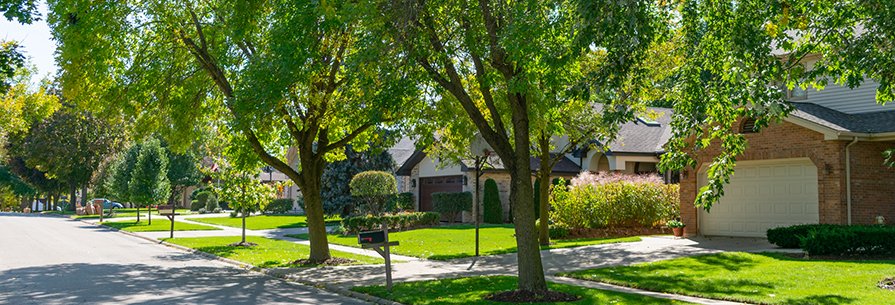
A new lawn project and an old stump don't mix well if they're tackled in the wrong order.
Grinding Disturbs the Ground Around It
Grinding a stump down and backfilling the hole disturbs the soil in that section of yard. Doing this after new grass is already established means undoing part of what you just put in, which is why stump work belongs at the front of the project, not somewhere in the middle.
Root Removal Needs Access Too
Raised roots that come out as part of the job need equipment access to the area. That's far simpler on bare or prepped ground than around grass that's just gone in and hasn't had a chance to root.
Backfilled Soil Needs Time Before Seeding
Topsoil backfill over a ground stump settles somewhat as it beds in. Giving that area a little time before seeding or sodding directly over it helps avoid an uneven patch once the soil has fully settled.
Planning the Whole Project Together
If a lawn project and stump removal are both on the list, it's worth having the stump work scheduled and done first, with enough of a gap before the new lawn work begins for the backfilled area to settle.
Common questions
Why can't stump grinding happen after new grass is in?
Grinding and backfilling disturbs the soil in that area, which would undo part of a newly established lawn.
How much time should I leave between grinding and seeding over the spot?
Giving backfilled soil some time to settle before seeding directly over it helps avoid an uneven patch later.
Does raised-root removal need extra space to work in?
Yes, equipment needs access to the area, which is simpler before new grass has gone in than after.