Tips
How Long After Stump Grinding Can You Plant Grass?
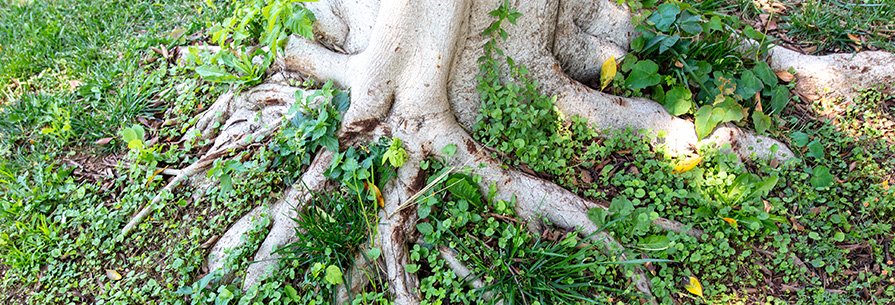
You can seed the spot as soon as the grindings are cleared out and the hole is backfilled with topsoil — usually the same week. The catch is what gets left behind. Wood chips tie up the nitrogen your new grass needs, so the fix is removing them, not waiting them out.
The short answer
If the grindings are hauled and the hole is backfilled with topsoil, you can seed within a few days. If you leave the chips sitting in the hole, don't bother. The grass will come up thin and yellow, and you'll be reseeding next spring.
Timing matters more than usual right now. Eastern Iowa's best grass-seeding window runs from late August into the middle of September. Cool nights and still-warm soil let new seed root before the first hard freeze, which usually lands in early-to-mid October around Cedar Rapids and Waterloo. A stump ground in the next two weeks puts you inside that window with room to spare.
Why wood chips stall new grass
Grinding a stump produces a pile of chips several times the size of the stump itself. Those chips are carbon-heavy. As soil microbes break them down, they pull nitrogen out of the surrounding soil to do it — the same nitrogen your seedlings were counting on.
What you see is a patch that looks fine for two weeks, then goes pale and thin while the lawn around it stays green. Most people blame the seed. It's the chips.
Three things you can do with the hole
Cheapest to best:
Leave the chips and mound them over. Free, and perfectly fine if you're not planting there. The pile settles and composts down over a year or two.
Rake the chips out and use them as mulch. Spread around flower beds or trees they break down into good organic matter, and the nitrogen tie-up doesn't matter where nothing is germinating.
Have the grindings hauled and the hole backfilled with topsoil. That's our cleanup add-on plus landscape restoration, and it's the only version that's ready to seed right away.
Expect the spot to settle
The roots under a ground stump keep decomposing for a year or two after the stump is gone, and the ground above them drops as they go. Tamp the topsoil down firmly when you backfill, then mound it an inch or two above grade so it settles level instead of low.
Skip that and you get a shallow dish that pools water and gets scalped by the mower. Topping the spot off again the following spring is normal. Plan on it.
Seeding the spot
Loosen the top inch or two of soil so the seed makes contact with dirt instead of sitting on a crust. Spread your seed, rake it in lightly, and cover with a thin layer of straw.
Then water lightly and often. The top half inch has to stay damp until germination, which in August heat means most days. Keep foot traffic off it. Once the new grass is tall enough to mow, cut it high and treat it like the rest of the lawn.
Common questions
Can I lay sod over a ground stump instead of seeding?
Yes, and it's faster. Same requirement though: the grindings have to come out and the hole needs topsoil. Sod laid over a bed of wood chips has nothing to root into.
How deep do you grind?
At least 6 inches below grade, which is deep enough to seed or sod over. If you're planting a tree or setting a post in the same spot, say so when you call — that needs to go deeper.
Do the roots need to come out too?
Only the ones that are surfacing. Raised roots that catch a mower deck or make a trip hazard can be taken out as part of the job. Roots already buried will rot on their own.
What does it cost?
It depends on how wide the stump is and how many you have. There's a $200 minimum on stump grinding work. The cost calculator on this site will get you a ballpark before anyone comes out, and quotes are usually same-day.