Restoration
Raised Roots and Mower Damage: A Fall Cleanup Priority
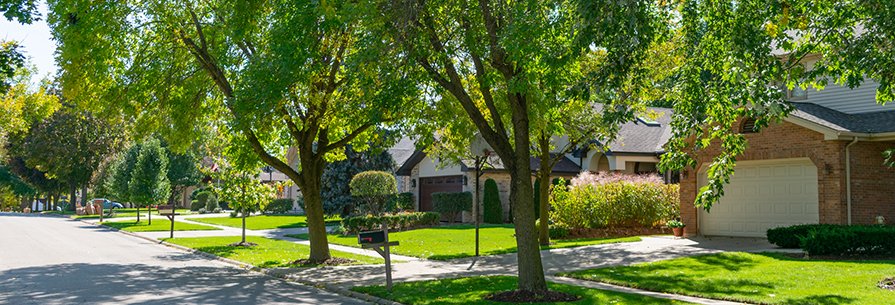
A stump might be the obvious problem in the yard, but the roots spreading out from it are often what's actually damaging equipment and creating hazards.
What Raised Roots Actually Do to Mowers
A root that's pushed up above grade is exactly the kind of obstacle that chips a mower blade or stalls a pass across the yard. Unlike the stump itself, these roots can spread well beyond where the trunk used to be, showing up in parts of the lawn that don't look connected to the original tree.
They're a Trip Hazard Too
Beyond equipment damage, raised roots are a genuine trip hazard, especially once fall leaves start covering the ground and make them harder to see underfoot.
Root Removal Is Part of the Job, Not a Separate One
Raised roots can be removed as part of a stump grinding job rather than requiring a completely separate service. That makes fall, when a stump is already being addressed, a practical time to deal with nearby roots at the same time.
Why Timing Matters Here Too
Root removal, like grinding itself, is more straightforward while the ground is still workable in fall. Waiting until the ground has frozen adds the same complications that affect stump grinding generally.
Common questions
Can raised roots be removed without grinding the whole stump?
Raised roots are typically addressed as part of a stump grinding job. If you already have a stump job scheduled, it's worth mentioning nearby roots at the same time.
Why are raised roots dangerous in fall specifically?
Fallen leaves can cover raised roots and make them harder to see, which increases the trip-hazard risk during that season.
Do raised roots always come from the stump right next to them?
Not necessarily. Roots can spread well beyond where the original trunk stood, so a raised root may show up in a part of the yard that doesn't look connected to any visible stump.